en 2022 – 2023

investis dans des projets à l’étranger.

en Afrique, en Amérique latine, en Asie, en Europe de l’Est et au Moyen-Orient.

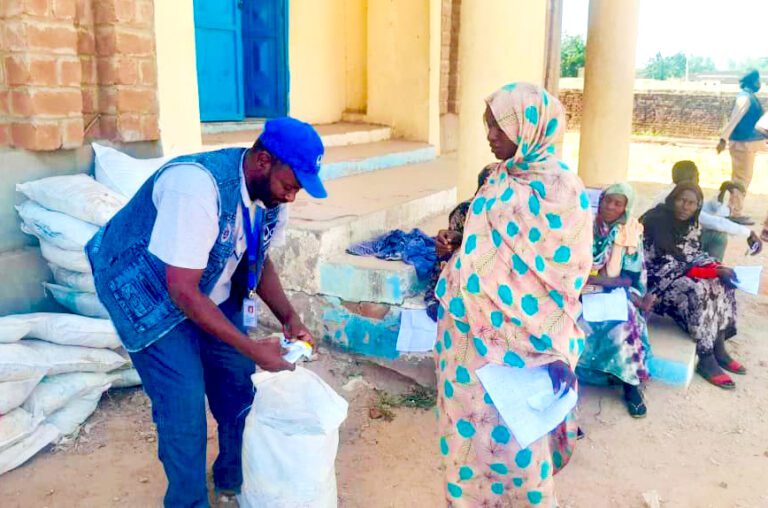
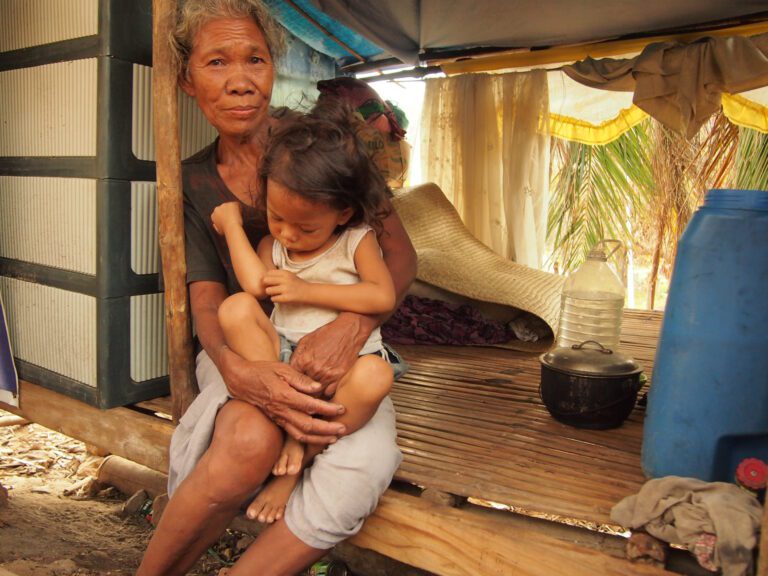
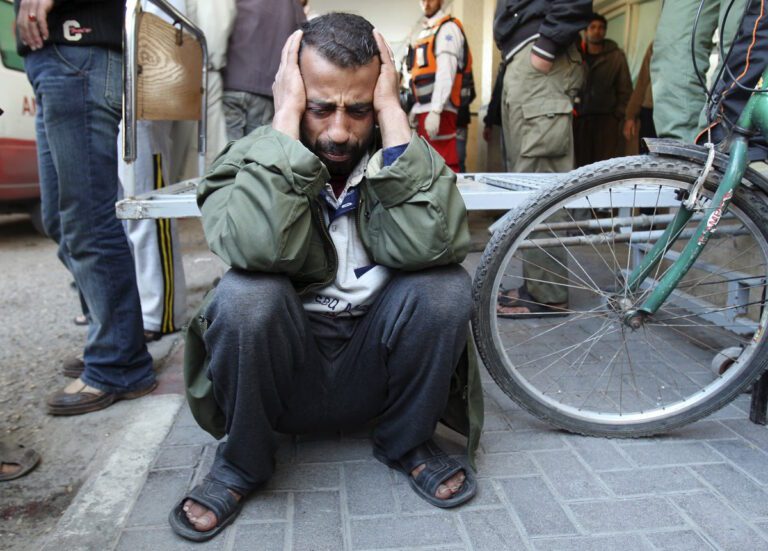
de développement communautaire et d’aide humanitaire dans 34 pays.
Pour en savoir plus sur les enjeux actuels.
Nous sommes un mouvement démocratique de solidarité internationale qui a une double mission.
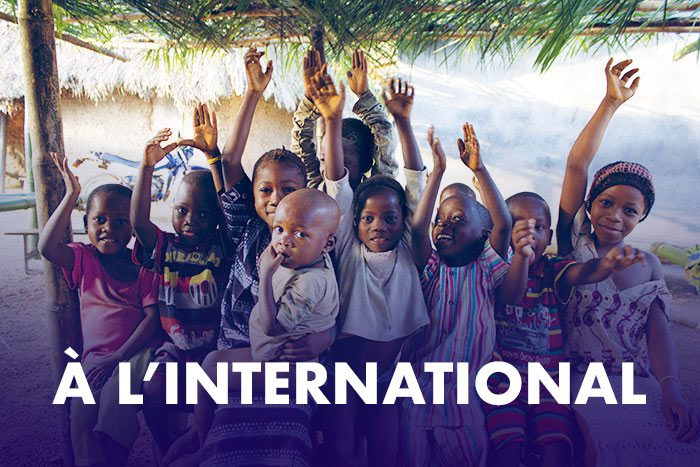
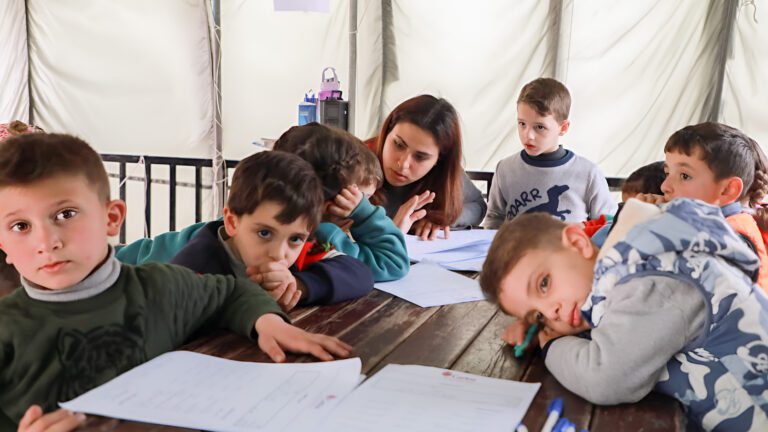
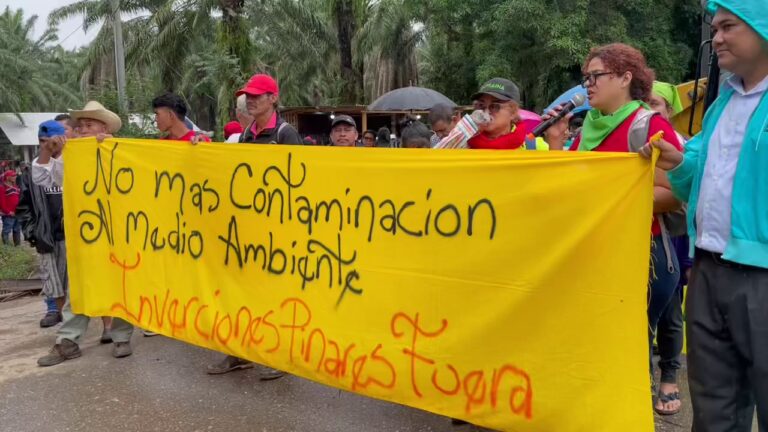
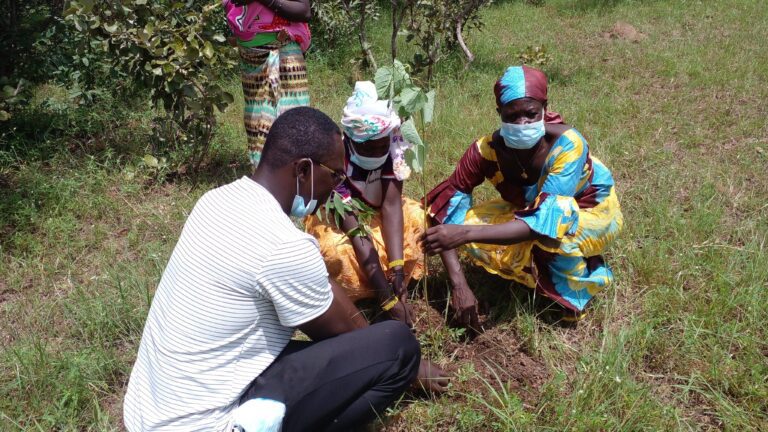
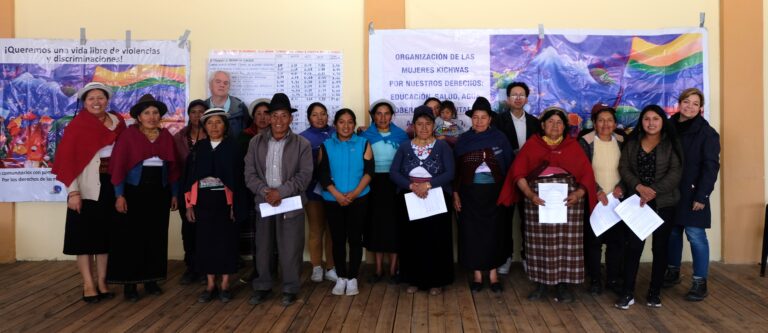
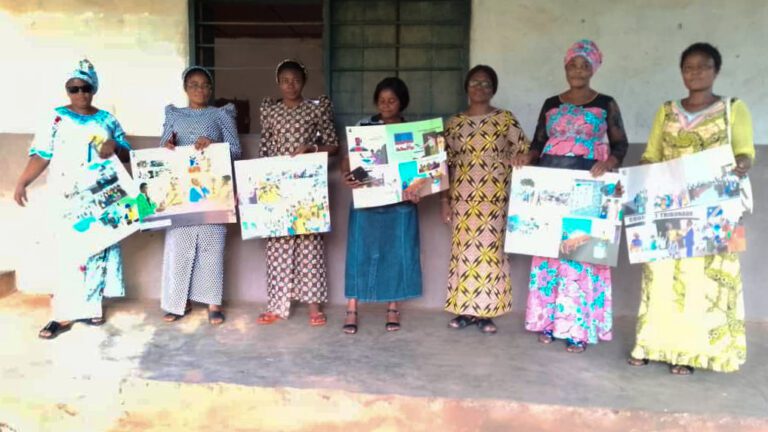
Nous travaillons en partenariat avec des organisations locales dans près de 35 pays à travers le monde. Celles-ci soutiennent leurs communautés dans la défense de leurs droits, dans leur travail en faveur de la paix et dans la prise en main de leur propre développement.
En savoir plus >

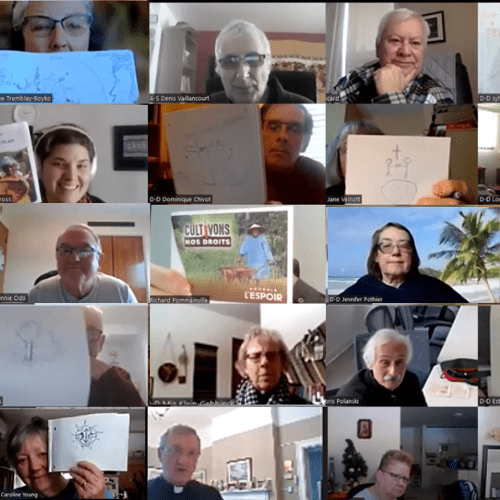
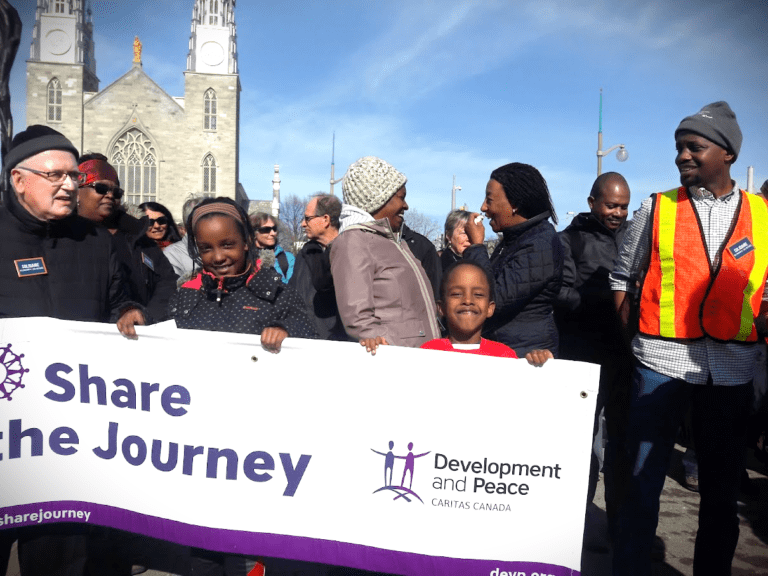
Nous sensibilisons la population sur les causes de l’appauvrissement des peuples et l’inspirons à agir pour le changement. Nous nous allions également aux groupes de changement social dans les pays du Nord et du Sud. En savoir plus >
Bâtir une relation de confiance avec nos personnes donatrices, nos membres et nos bailleurs de fonds est essentiel pour Développement et Paix – Caritas Canada.
Nous prenons très au sérieux notre obligation de veiller à ce que vos contributions soient dépensées de la manière la plus judicieuse et transparente possible.
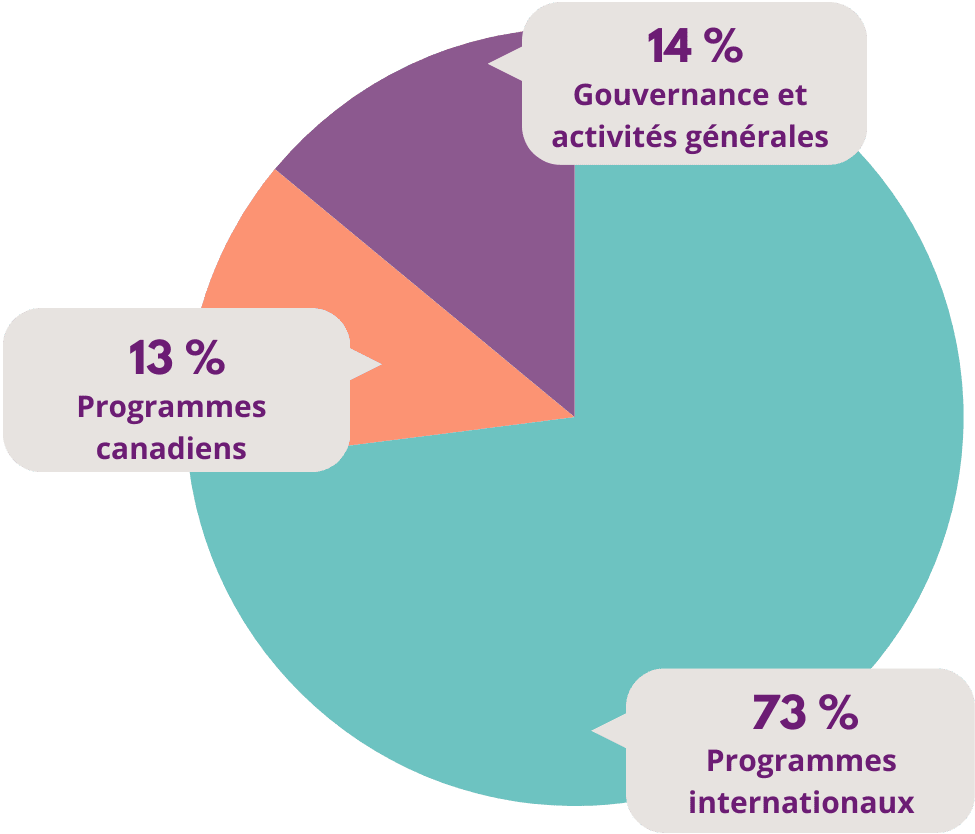
% en 2022-2023
À propos
Notre travail
Agir
Donner
Ressources
Nous joindre
555, boul. René-Lévesque Ouest, 8e étage
Montréal (Québec) Canada H2Z 1B1
Téléphone : 514 257-8711
Sans frais : 1 888 234-8533
Télécopieur : 514 257-8497
Courriel : info@devp.org
Site Web : www.devp.org
Numéro d’organisme de charité : 1 1882 9902 RR 0001

Notre programme de coopération international est réalisé en partie avec l’appui financier du gouvernement du Canada agissant par l’entremise d’Affaires mondiales Canada.

Développement et Paix – Caritas Canada est l’organisme officiel de solidarité internationale de l’Église catholique au Canada et le membre canadien de Caritas Internationalis.
Copyrights © 2024
Ne manquez rien sur le travail de nos partenaires internationaux ou sur nos campagnes de sensibilisation et de mobilisation.
Inscrivez-vous dès maintenant à notre infolettre.